Conditions That May Benefit From Shockwave Therapy
One of the advantages of shockwave therapy is its ability to target a variety of common musculoskeletal problems. At Mecca Integrated Medical Center in Fairfield, shockwave therapy may be recommended for patients experiencing persistent pain or limited function related to muscles, tendons, and other soft tissues. Conditions that may benefit from treatment include plantar fasciitis, tendon injuries, shoulder pain, tennis elbow, knee pain, and muscle and soft tissue injuries. It may also be considered when discomfort has become chronic or when an injury continues to interfere with work, exercise, sports, or everyday activities.
Shockwave Therapy for Plantar Fasciitis and Tendon Injuries
Plantar fasciitis and chronic tendon problems are common reasons patients seek shockwave therapy. Plantar fasciitis can cause persistent heel pain that makes walking, exercising, or even standing for extended periods uncomfortable. Tendons can also become irritated or painful from repetitive stress, overuse, sports injuries, or everyday activities. Because these tissues sometimes heal slowly, symptoms may linger despite rest and activity modification. Shockwave therapy targets the affected area with acoustic energy to encourage circulation and stimulate a healing response, with the goal of reducing pain and helping the tissue function more normally.
Treatment for Shoulder, Elbow, and Knee Pain
Joint-related pain can make even simple movements challenging. Shoulder pain, tennis elbow, and knee pain may be associated with overuse, repetitive movements, sports injuries, tendon problems, or other musculoskeletal conditions. Shockwave therapy can be directed precisely to painful soft tissues surrounding these areas. The goal is not simply to temporarily mask discomfort, but to stimulate processes that support tissue recovery while helping improve mobility and function. For active adults and athletes in Fairfield and surrounding North Jersey communities, this non-invasive approach may be particularly appealing when pain is interfering with exercise, recreation, work, or daily activities.
A Non-Invasive Approach to Musculoskeletal Pain
Shockwave therapy offers a non-surgical, non-invasive approach for certain types of musculoskeletal pain and injury. There are no incisions, and treatments can often be incorporated into a broader rehabilitation program when appropriate. Because every injury and patient is different, an evaluation is important before beginning care. Your provider can assess the location and cause of your symptoms, determine whether shockwave therapy is appropriate, and recommend a treatment plan based on your condition and goals. Depending on your needs, shockwave therapy may be used alongside rehabilitation, exercise, or other conservative treatments to help restore movement and function.
Shockwave Therapy at Mecca Integrated Medical Center
At Mecca Integrated Medical Center in Fairfield, NJ, our goal is to help patients find effective, conservative solutions for pain and musculoskeletal injuries. Our integrated approach allows us to look beyond the location of your symptoms and consider how an injury is affecting your movement, mobility, and everyday function. If you have been struggling with plantar fasciitis, tendon pain, shoulder pain, tennis elbow, knee pain, or another stubborn soft tissue injury, shockwave therapy may be an option. Contact our Fairfield office to schedule a consultation and find out whether shockwave therapy is appropriate for your condition.

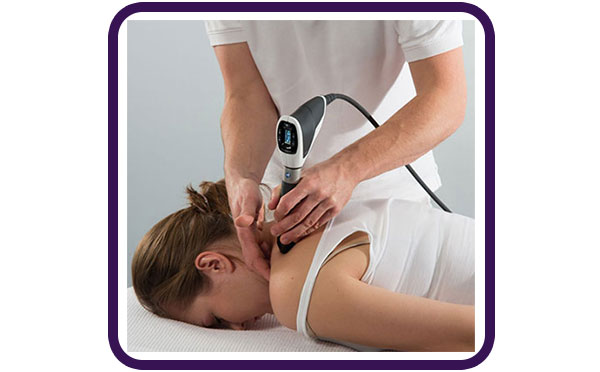 Shockwave therapy delivers controlled acoustic energy into targeted muscles, tendons, and other soft tissues. The mechanical stimulation created by the treatment is designed to promote increased local circulation and trigger biological processes involved in tissue repair. This can be particularly helpful in areas affected by chronic tendon problems and other soft tissue conditions that can be slow to heal. By addressing the injured tissue directly, shockwave therapy may help decrease pain, improve mobility, and support a more effective healing response. Treatment is performed externally, so there are no incisions and typically little interruption to your normal routine.